
Seasonal Formulas: What Changes and Why?
Every season seems to come with its own little personality.
Winter brings the sniffles, sore throats, dry skin and that deep desire to live under a blanket. Spring arrives with itchy eyes, sneezing, hay fever and the sudden urge to “detox” your entire life. Summer can leave us feeling hot, depleted, dehydrated and maybe a little over-socialised. Then autumn quietly rolls in, reminding us that our immune system may need a little extra love before winter hits again.
This is why seasonal formulas matter.
As naturopaths, we are not just looking at symptoms in isolation. We are looking at the whole picture: the weather, your energy, your stress levels, your digestion, your immune system, your sleep, your hormones, your environment and what your body is being exposed to at that particular time of year.
The truth is, your body is constantly adapting, and what your body needs in the middle of winter may look very different to what it needs in spring, summer or autumn.
Your Body Responds to the Seasons
Humans are not separate from nature, even though modern life sometimes makes us feel like we are.
We still respond to changes in light, temperature, food availability, humidity, environmental allergens and seasonal infections. These changes can influence our mood, immune function, sleep patterns, digestion, skin, energy and even our cravings.
You may notice this in simple ways.
In winter, you might crave warm soups, slow cooked meals and earlier nights.
In spring, you may feel like eating lighter foods, moving your body more and clearing out the old.
In summer, your body may ask for more fluids, minerals, fresh foods and rest from the heat.
In autumn, you may feel the shift inward again, needing more grounding, routine and immune preparation.
This is not random. Your body is responding to its environment.
Seasonal formulas are designed to work with these natural shifts, rather than pushing the body in the same direction all year round.
Why We Don’t Use the Same Formula All Year
A herbal or nutritional formula should never be a “set and forget” approach.
What worked beautifully for you in July may not be what your body needs in November.
For example, a winter immune formula may contain warming, stimulating and respiratory-supportive herbs. This might be perfect when you are run down, cold, congested or fighting off back-to-back viruses.
But that same formula may not be ideal in the middle of summer when your body is already hot, dry, inflamed or feeling overstimulated.
This is where naturopathic prescribing becomes more personalised.
We ask:
What season are we in?
What is your body currently dealing with?
Are we trying to build, clear, calm, warm, cool, drain, nourish or protect?
Are your symptoms acute, recurring or more chronic?
What has changed since your last appointment?
Your formula should reflect where your body is now and not where it was three months ago.

Winter: Immune, Respiratory and Deep Nourishment
Winter is the season where we commonly see more colds, flus, coughs, sore throats, sinus congestion and general immune fatigue.
The colder months can place extra demand on the immune system. We also tend to spend more time indoors, get less sunlight, move less and sometimes eat heavier foods.
A winter formula may focus on:
Supporting immune defence
Reducing the severity or duration of infections
Supporting the lungs, throat and sinuses
Warming the body
Supporting vitamin D, zinc and nutrient status
Helping the nervous system recover when the body is run down
Herbs commonly considered in winter may include echinacea, thyme, elderberry, olive leaf, andrographis, liquorice, ginger, reishi or astragalus, depending on the person and what is appropriate.
This is also the season where we may use more warming herbs, broths, immune tonics, vitamin D support, mineral support and sleep-focused strategies.
Because sometimes the best immune support is not just “boosting” the immune system.
Sometimes it is rest, nourishment, warmth and not running yourself into the ground. Annoying, but true.
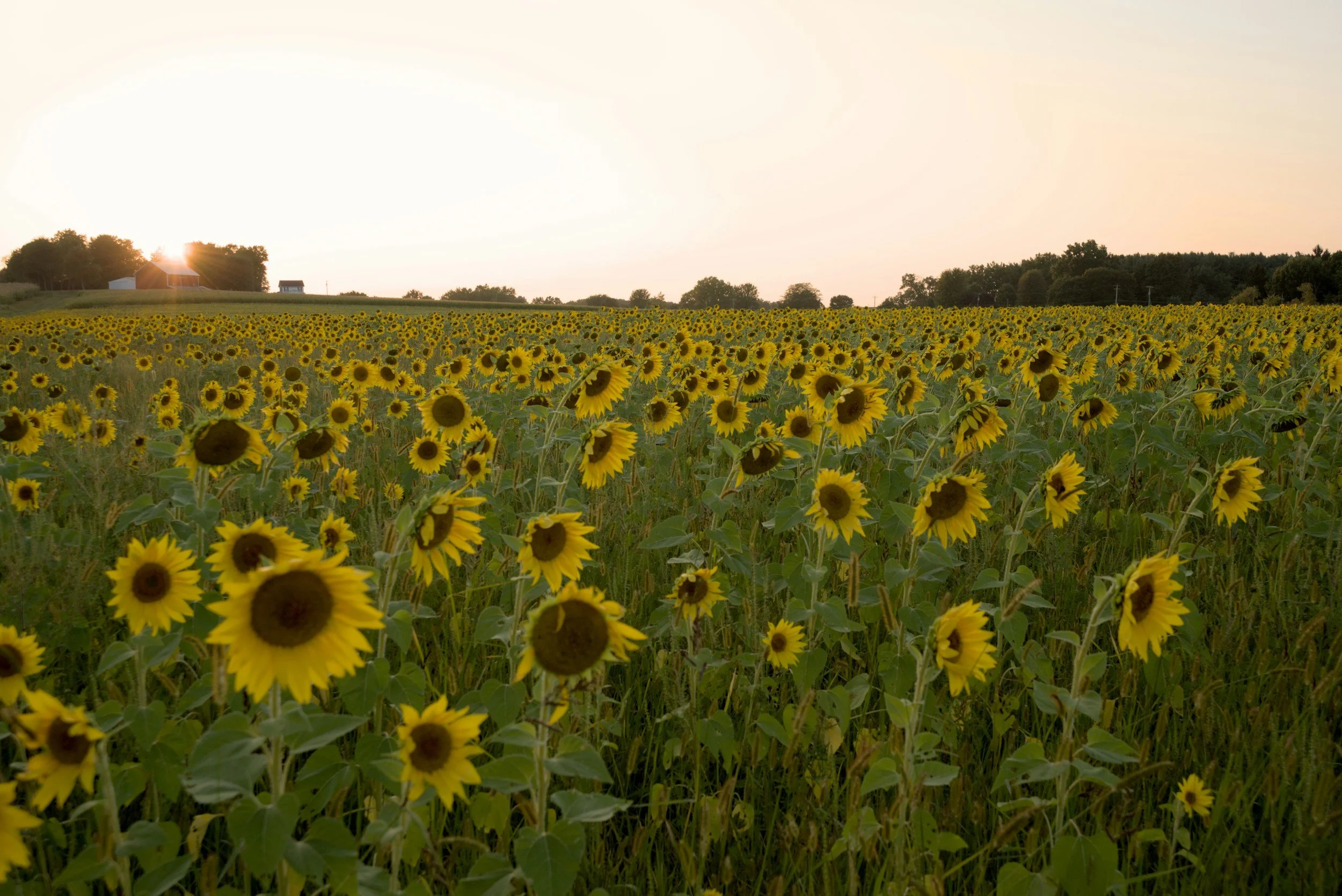
Spring: Allergies, Liver Support and Clearing the Load
Spring often sounds lovely in theory.
Flowers blooming, sunshine returning, birds chirping.
Then your eyes start itching, your nose starts running and suddenly nature feels a little personal.
Spring is a common time for hay fever, sinus irritation, skin flare-ups and that heavy, sluggish feeling that can come after winter.
From a naturopathic perspective, spring is often a time where we support elimination pathways, particularly the liver, lymphatics, gut and skin.
A spring formula may focus on:
Supporting healthy histamine responses
Reducing allergy symptoms
Supporting liver detoxification pathways
Encouraging lymphatic flow
Supporting skin clearance
Helping digestion feel lighter and less sluggish
Herbs that may be considered include nettle, albizia, eyebright, dandelion leaf or root, calendula, cleavers, globe artichoke and milk thistle.
This does not mean everyone needs an aggressive “detox”.
Your liver is already detoxifying every second of every day. It does not need to be punished with a juice cleanse and a sad salad.
But it can sometimes benefit from targeted support, especially if symptoms such as hay fever, skin congestion, headaches, sluggish digestion or hormone-related symptoms tend to flare in spring.

Summer: Hydration, Minerals, Skin and Cooling Support
Summer brings more heat, more sweating, more social events, more sun exposure and often more disrupted routines.
For some people, this is energising.
For others, it can feel depleting.
In summer, we may see more dehydration, headaches, fatigue, poor sleep, skin flare-ups, fluid retention, digestive changes and heat-related irritability.
A summer formula may focus on:
Hydration and electrolyte balance
Cooling and calming the body
Supporting skin health
Supporting energy without overstimulation
Helping recovery after heat, exercise or busy social periods
Supporting digestion when routines are less consistent
Herbs and nutrients may include hibiscus, lemon balm, peppermint, nettle, schisandra, magnesium, electrolytes, vitamin C, antioxidants and mineral support.
This is also where food becomes powerful medicine.
Think colourful fruits, salads, mineral-rich foods, adequate protein, berries, citrus, herbs, good quality salt and plenty of water.
And yes, your iced coffee does not count as hydration. I say that with love.

Autumn: Immune Preparation and Grounding the Body
Autumn is the transition season.
The weather starts to shift, routines settle, school and work demands often increase, and the body begins preparing for the colder months ahead.
This is a great time to strengthen foundations before winter arrives.
An autumn formula may focus on:
Building immune resilience
Supporting gut health
Reducing inflammation
Strengthening respiratory health
Supporting stress adaptation
Grounding the nervous system
Replenishing nutrients after summer
Herbs such as astragalus, reishi, echinacea, thyme, withania, oats, liquorice, ginger and medicinal mushrooms may be considered, depending on the individual.
Autumn is also a great time to revisit sleep, stress, nutrition and gut health.
Because heading into winter already depleted, stressed and running on caffeine is usually not the best immune strategy.
Relatable? Yes.
Ideal? Not so much.

Seasonal Prescribing Is Still Personalised Prescribing
Even though we talk about seasonal formulas, this does not mean everyone gets the same winter, spring, summer or autumn blend.
Two people can walk into clinic in the same season with completely different needs.
One person may need immune support while another may need nervous system regulation.
One person may need gut repair while another may need allergy support.
The season gives us context, but your individual presentation guides the formula.
This is why naturopathic prescribing considers:
Your symptoms
Your constitution
Your medical history
Your medications
Your stress levels
Your sleep
Your diet
Your environment
Your pathology or functional testing where needed
Your current capacity to actually follow the plan
A formula only works if it is right for you, appropriate for your body, and realistic for your life.
Why This Matters
Seasonal formulas allow us to respond to the body in real time.
They help us work with the natural changes happening around us and within us, rather than using the same approach all year and wondering why it stops working.
They also help us be more preventative.
Instead of waiting until you are completely run down in winter, we can start building immune resilience in autumn.
Instead of waiting until hay fever is unbearable in spring, we can support histamine and inflammation pathways earlier.
Instead of pushing through summer fatigue, we can support hydration, minerals and recovery before the body feels depleted.
This is where naturopathic medicine shines.
It is not just about treating symptoms.
It is about understanding patterns, timing, triggers and what your body is asking for.
The Takeaway
Your body changes with the seasons, so your support may need to change too.
Seasonal formulas are not about chasing trends or changing things for the sake of it. They are about listening to the body, understanding the environment, and adjusting support in a way that makes sense.
Winter may call for warmth and immune support.
Spring may call for allergy and liver pathway support.
Summer may call for hydration, minerals and cooling herbs.
Autumn may call for grounding, gut support and immune preparation.
The right formula at the right time can help the body feel more resilient, supported and in rhythm with the season you are in.
Your health is not static and your support should not be either.
Book a one-on-one appointment with me at Revital Health and we can explore what’s going on for you, including your energy, sleep, stress, digestion, hormones and immune health, then create a personalised plan to support your body through the season ahead.
